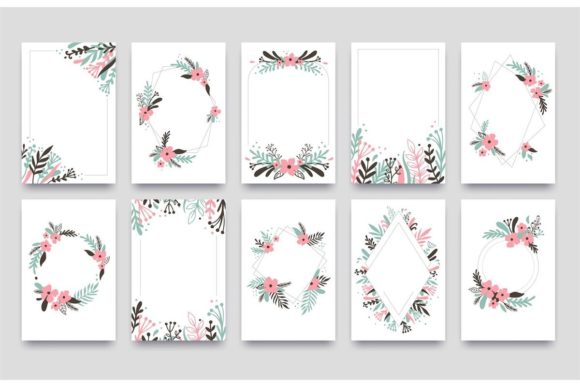
Elevating Invitations: The Craft and Context of the Floral Ornament Card
The humble invitation card has undergone a profound aesthetic transformation. No longer merely a functional piece conveying date and location, it has become a curated expression of tone, style, and brand. Within this evolution, a specific design archetype has risen to prominence: the Floral Ornament Invitation Card. Characterized by its delicate botanical motifs, structured ornamental frames, and elegant typographic integration, this style represents a synthesis of traditional craftsmanship and modern digital design sensibilities.
Defining the Floral Ornament Invitation Card
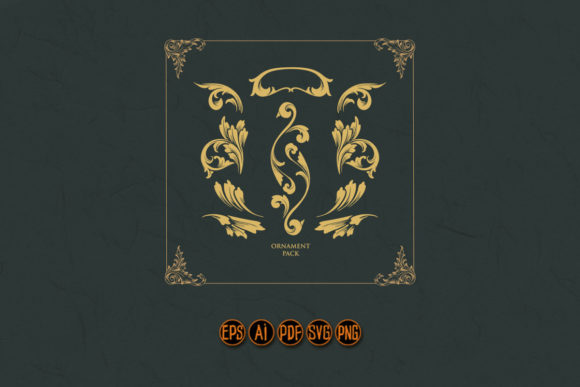
A Floral Ornament Invitation Card is more than just a card with flowers on it. It is a cohesive design system. The core elements typically include a balanced arrangement of floral sprigs—often spring blossoms like peonies, roses, or lilies—interwoven with ornamental line work. This botanical artistry is frequently anchored by structural geometric elements, such as a willow leaves frame border or ornaments framing the corners. The overall composition is clean, intentional, and built for elegance. It avoids the clutter of maximalist design, opting instead for a refined, spacious layout that prioritizes readability and visual harmony.
In practice, these designs are commonly delivered as a Spring flower greeting elegant card vector template isolated set. The "vector" nature, specified as an EPS10 file, is fundamental. It means every line, leaf, and petal is defined by mathematical paths, not pixels. This grants the professional user infinite scalability—the design can be enlarged for a poster or reduced for a business card without any loss of quality. The "isolated set" aspect indicates that elements are often grouped or layered separately, providing immense flexibility. As noted, to leverage this flexibility, one must use a vector editor like Adobe Illustrator to separate elements, remove or edit components, and tailor the template to the exact occasion.
Integration with Broader Creative and Market Trends
The ascent of the Floral Ornament Invitation Card template is not an isolated design fad. It mirrors several converging trends across the creative industry, consumer preferences, and professional workflows.
The Demand for Authentic Elegance in Digital Spaces
In an era of rapid digital communication, there is a countervailing desire for tangible, beautiful physical objects. An invitation is a tactile touchpoint. The floral ornament style taps into a longing for nature and organic beauty, which is particularly resonant in spring-themed events but applies year-round. It offers a sense of authentic elegance that feels personal and considered, contrasting with the generic feel of many digital-only invites. This bridges lifestyle aspirations with practical communication needs.
Furthermore, the style aligns with the minimalist yet meaningful trend in visual branding. Businesses, entrepreneurs, and freelancers are applying these design principles not just to weddings, but to corporate galas, boutique shop openings, and high-end networking events. The card becomes an extension of brand identity—conveying quality, attention to detail, and a refined aesthetic.
The Empowerment of the Creator Economy
The availability of such designs as editable vector files directly fuels the creator economy. Professionals, marketers, and savvy freelancers are no longer purely reliant on custom illustrators for high-end design work. A quality vector template acts as a sophisticated starting point. It empowers a graphic designer to rapidly prototype and deliver a stunning client piece. It enables a stationery business to offer a wider range of customizable options without immense overhead. This speaks to a changing workflow expectation: professionals now seek tools that combine high-level artistic output with efficient, adaptable production pipelines.
The technology aspect here is crucial. The vector format is the enabling technology. It democratizes access to complex ornamentation and floral artwork, which would historically require specialized illustration skills. This fits into the larger development of design resources that elevate non-specialist output while providing experts with a robust, modifiable asset.
Why This Design Resonates: Changing Needs and Preferences
The specific attention paid to the Floral Ornament Invitation Card stems from evolving needs. Clients and recipients alike have developed a more discerning eye.
- Preference for Customization over Genericity: The modern user expects to tailor everything. A vector template with isolated elements meets this need perfectly. Changing color palettes to match a brand, swapping a floral sprig for an ornamental twig wedding card variant, or integrating a monogram into the corner frame are all practical examples of this customization in action.
- Need for Cohesive Visual Systems: An invitation is often the first piece of a larger suite—follow-ups, programs, menus, thank-you notes. A well-structured vector template ensures that the core ornamental and floral motifs can be consistently adapted across all these materials, creating a professional and unified visual system.
- Expectation of Professional Polish at Agility: Speed and quality are no longer mutually exclusive. The market demands beautiful results fast. This design format, when mastered in a vector editor, allows for that agile yet polished outcome, which is essential for busy professionals and entrepreneurs managing multiple projects.
Practical Applications and Observations
Beyond weddings, these templates find utility in numerous contexts. A financial consultancy might use a subdued, gold-accented floral ornament card for an exclusive client dinner, conveying prestige and warmth. A lifestyle brand launching a spring collection could employ the willow leaf border and floral elements for an influencer event invite, directly tying the design to the seasonal product theme. The key observation is that the "invitation" function extends beyond social events to encompass any curated professional gathering where setting a specific tone is valuable.
The vector nature also invites experimentation. A designer might extract just the corner ornaments to create a matching social media graphic, or use the isolated floral sprigs to design a complementary website banner. This multiplies the value of a single template asset, a practical consideration for cost-conscious creators and marketers.
Connecting to Larger Developments in Design and Consumption
The Floral Ornament Invitation Card phenomenon sits at the intersection of two significant developments: the visualization of data as art and the return to ornament in digital design.
Firstly, the structured, frame-based layout of these cards represents an intelligent organization of information (names, dates, venues). It is data made beautiful. This aligns with a broader movement across UI/UX and print design where information hierarchy is not just functional but is expressed through artistic composition.
Secondly, after a long period dominated by stark minimalism, there is a renewed appreciation for ornamentation—not as frivolous decoration, but as meaningful pattern and texture that enhances user experience. The delicate floral ornaments and twig patterns provide this texture without overwhelming the core message. They add humanity and craft to the communication.
In conclusion, the Floral Ornament Invitation Card, particularly as embodied in a versatile vector template, is more than a pretty picture. It is a responsive design solution that meets contemporary professional demands for elegance, customization, brand alignment, and production efficiency. It reflects a mature understanding of how design functions in both social and commercial contexts, serving as a critical touchpoint that sets the stage for an event and communicates values before a single guest arrives. For the professional creator, it is a powerful asset in a toolkit aimed at delivering meaningful, beautiful, and effective visual communication.