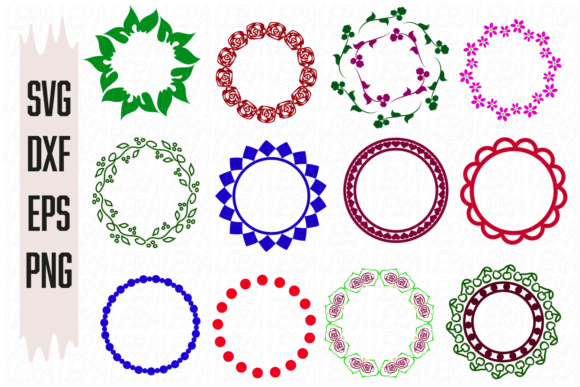
Floral Artistry for Modern Creators
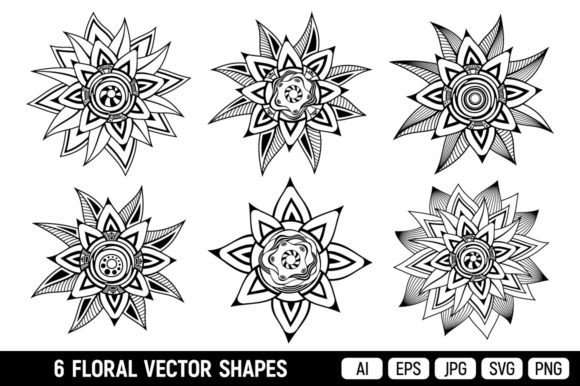
In creative projects, from a simple greeting card to a complex event campaign, the foundation often lies in quality assets. Imagine having a versatile set of floral clipart that seamlessly moves from your digital design software to your physical cutting machine. This is the practical value of a comprehensive digital resource like *Floral, Flower*. It represents a curated collection of floral motifs, designed not as a singular static image, but as a multi-format toolkit.
A Process-Driven Asset for Diverse Workflows
Where does *Floral, Flower* fit? Its position is inherently flexible, acting as a foundational element in your creative workflow. It can be the starting point for a design, the decorative accent added during refinement, or the standardized branding element reused across multiple projects. For the professional designing wedding invitations, the entrepreneur creating branded party announcements, or the hobbyist crafting personalized gifts, these assets serve as a consistent, high-quality starting point. They reduce the time spent searching for or creating basic graphical elements, allowing you to focus on composition, message, and execution.
The package itself is delivered as 12 individual files contained in a Zip archive. This compressed file needs to be extracted on your computer to access the core assets. This structure is process-oriented. It provides organization, keeping the related files together while allowing you to extract only the formats you need for a given task. Inside, you’ll find the files in SVG, DXF, EPS, AI, PNG formats. This multi-format approach is critical for integration with other tools and platforms. The SVG and PNG files are excellent for web graphics and digital scrapbooking, easily imported into web design tools or photo editing software. The EPS and AI files are native to professional vector design environments like Adobe Illustrator, ensuring you can edit and scale the artwork without quality loss. The DXF file is specifically engineered for interaction with cutting machines.
Integration with Your Tools and Machines
Practical implementation hinges on compatibility. The statement "You can cut them on any cutting machine" is powerful, but it comes with a crucial preparatory step: verification. Just be sure your cutting machine and software are compatible with the provided formats, particularly the DXF or SVG files. This check is a simple yet essential part of the workflow. Before committing the clipart to a physical project, especially for printed invitations or party decorations, a test cut on your preferred material is a wise quality control measure. It confirms the machine reads the paths correctly and ensures the final output meets your expectations for precision and detail.
For users engaged in digital workflows, the integration is often smoother. The PNG files, with their raster format, are instantly usable in almost any application for web graphics or digital card design. The vector formats (SVG, EPS, AI) require software that supports them, but they offer unparalleled efficiency for scaling and editing. If you are building a suite of branded materials—say, a blogger creating a series of floral-themed downloadable PDFs—using the same vector clipart across all pieces guarantees visual consistency, a key factor in professional output and long-term brand recognition.
Preparation and Organization for Efficiency
Once the Zip file is extracted, a bit of organization pays dividends. Don't just leave the 12 files scattered in a downloads folder. Create a dedicated project folder or a "Floral Assets" library within your digital workspace. This mirrors good process management, treating these files as reusable inventory. Label the files clearly if needed, and consider creating a simple reference sheet noting which floral designs you’ve used for which past projects. This minor step aids in future efficiency, preventing you from accidentally reusing the same motif for a client who received it previously, or helping you quickly recall which design worked best for a specific material on your cutter.
From Concept to Physical Creation: Workflow Examples
Let’s walk through two distinct real-world applications to illustrate the process integration.
First, a small business owner producing printed invitations for a spring launch event. Their workflow might begin in Adobe Illustrator using the AI file. They incorporate the floral clipart into their layout, adjusting colors to match their brand palette. After finalizing the design, they might export a high-resolution PNG for a digital preview sent to the client, and simultaneously prepare the DXF file for their cutting machine to produce delicate floral accent pieces for the physical invitation envelopes. The same core asset flows through different software stages to produce coordinated digital and physical outputs.
Second, an educator creating classroom materials for a botany unit. They might use the SVG files directly in a web-based design tool like Canva to create engaging digital handouts and presentation slides. Later, they could use the PNG versions in a simpler word processor for quick worksheet decoration. The asset supports both the high-quality presentation phase and the rapid, practical worksheet creation phase of their teaching workflow.
Usability and Long-Term Value
Beyond the immediate project, the usability of *Floral, Flower* extends to its adaptability. The provision of multiple formats speaks to long-term use. As your software or machines evolve, having the artwork in a scalable vector format ensures it remains viable. If you switch from one cutting machine software to another, the industry-standard DXF or SVG formats are likely to still be supported, protecting your investment in the asset. Furthermore, the note, "If you would like the files in another format or if you have any further questions, please do not hesitate to ask," introduces a layer of support. This is a practical consideration in a workflow. Knowing you can request a specific format for a new, unforeseen application reduces risk and allows you to plan for more ambitious future projects incorporating these floral elements.
Implementing the Clipart Smoothly Into Your Routine
To integrate this resource smoothly, treat it as a modular component. Don't force every design to use it. Assess each project’s needs. Perhaps one greeting card needs only a single, subtle floral element from the set, used as a PNG in a digital card. Another project, like a full digital scrapbooking layout, might utilize three different floral designs from the package as SVG layers to build complexity. This selective use maintains freshness and prevents your work from becoming formulaic.
For productivity-minded users, batch processing can be effective. If you know you’ll be producing a series of items, like a monthly line of greeting cards, you might extract and convert all relevant files to your most-used format at once, storing them in a ready-access folder. This upfront preparation streamlines the monthly creation process, turning what could be a repetitive file management task into a one-time setup activity.
The *Floral, Flower* collection, by virtue of its format variety and design integrity, functions less as a simple decorative item and more as a process-enabling toolkit. It bridges the gap between digital design environments and physical crafting machines, supports consistency across media, and through its structured delivery, encourages organized asset management. By understanding its role at various stages—from initial concept and digital design to physical cutting and final assembly—you can leverage it not just for a single task, but as a repeatable, reliable element in your broader creative or professional workflow.