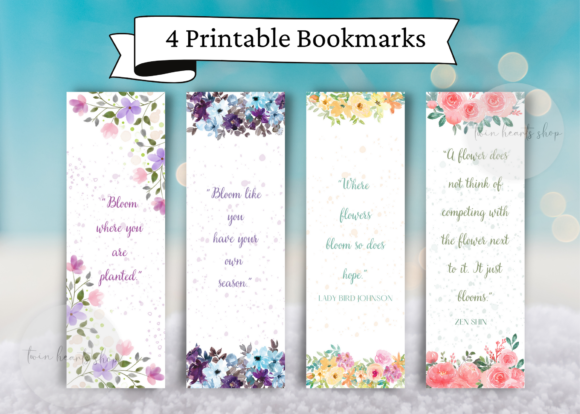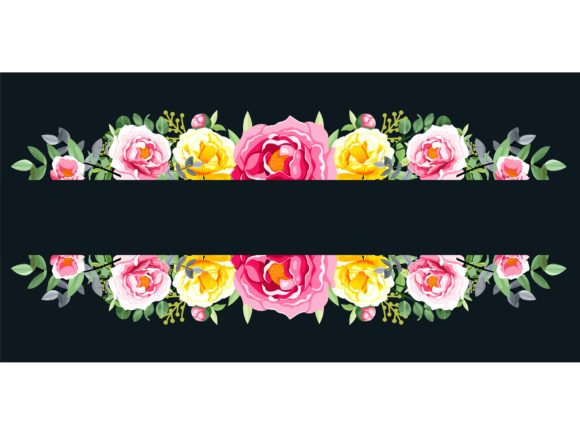
The Beauty of Hand Drawn Florals
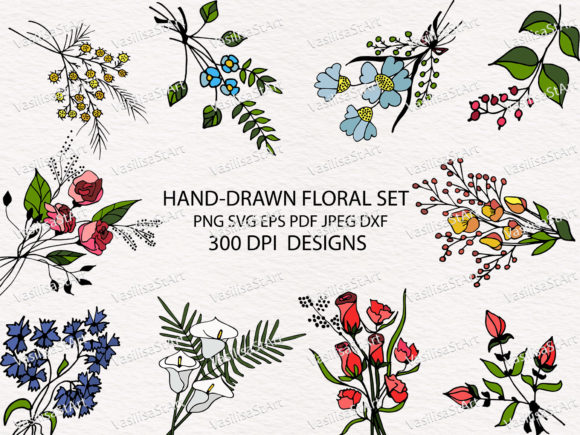
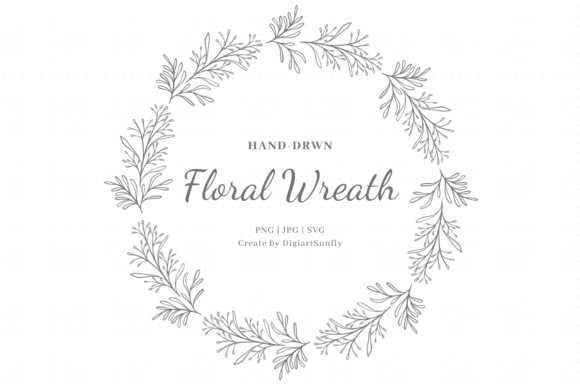
Imagine a design that instantly whispers of authenticity, warmth, and natural elegance—this is the unique power a hand drawn floral background holds.
In a world of perfect digital vectors and geometric grids, the organic strokes and imperfect beauty of illustrated florals offer a compelling contrast. They bring a human touch to visual design, creating an immediate emotional connection that standard patterns often lack. This aesthetic is not just decorative; it's a strategic tool for enhancing brand identity and user experience across countless creative projects.
Why Hand Drawn Florals Resonate
From a professional graphic design perspective, these assets solve a core challenge: blending artistry with commercial application. The hand-crafted style signals quality, care, and individuality, which are invaluable in building a memorable brand. When integrated thoughtfully, it elevates the overall visual communication from generic to bespoke.
The application extends far beyond mere background fills. Consider using these illustrations as a foundational element in your visual hierarchy. They can frame content, create focal points, or provide subtle texture that guides the viewer's eye without overwhelming your core message.
Practical Applications in Design
The versatility of a hand drawn floral background is its greatest strength. Its adaptability across media makes it a cornerstone asset for a cohesive brand identity.
Branding & Marketing Materials
For logo design, a delicate floral element can soften a corporate identity or add a niche, artisanal feel. In digital marketing and social media graphics, it provides a consistent, visually appealing backdrop that makes posts stand out in crowded feeds. For editorial design and web design, it can define sections, decorate headers, or add character to otherwise minimal layouts.
Packaging & Presentation
In packaging design, these illustrations can transform a simple box or label into a luxury item. They evoke natural ingredients, craftsmanship, or a connection to heritage. Similarly, in professional presentations or advertising campaigns, a custom floral backdrop sets a tone of sophistication and deliberate creativity, far removed from sterile template slides.
To use these elements effectively, focus on integration rather than domination. Here are key considerations for your design workflow:
- Consistency: Ensure the floral style aligns with your existing color palette and brand personality.
- Readability: Always maintain clear visual hierarchy. The background should support, not compete with, your text and primary imagery.
- Scalability: High-quality source files are crucial. A vector EPS file allows infinite scaling without quality loss for print design, large format signage, or merchandise.
- Audience Alignment: Match the floral density and style to your audience's expectations—soft and sparse for a wellness brand, bold and vibrant for a festive campaign.
Technical Details for Implementation
To achieve this polished, professional presentation, you need the right files. For full creative control and scalability, an EPS file is ideal. This vector format requires software like Adobe Illustrator, where you can edit colors, separate elements, and integrate the artwork seamlessly into other vector-based projects. For immediate use in digital contexts—such as web design, UI mockups, or social media graphics—a high-resolution JPG file provides a ready-to-use asset.
The choice between the two depends on your project's needs. Use the EPS for anything requiring editing or large-scale printing. The JPG is perfect for quick placement in digital layouts, online advertising, or as a textured layer in photo-editing software.
Ultimately, the impact of a hand drawn floral background lies in its ability to tell a softer, more authentic story. It’s a design choice that moves beyond pure aesthetics to become a part of your communication strategy. By selecting and applying these creative assets with intention—considering their role in your composition alongside typography, color, and imagery—you create work that not only looks beautiful but feels genuinely connected to its purpose.